
Understanding the Distinction Between a Logo and a Brand
A logo is a visual symbol that identifies a business, while a brand represents the overall perception, emotions, and experiences customers associate with that business. Although a logo helps create recognition, a strong brand builds trust, loyalty, and long-term customer relationships. Understanding the difference between the two is essential for creating a powerful and lasting business identity.
JoJo Caruana
5/24/20262 min read

Introduction
In the world of marketing and business identity, the terms "logo" and "brand" are often used interchangeably. However, they represent distinctly different concepts that play unique roles in a company's identity. Understanding the difference between a logo and a brand is crucial for creating a robust market presence.
The Essence of a Logo
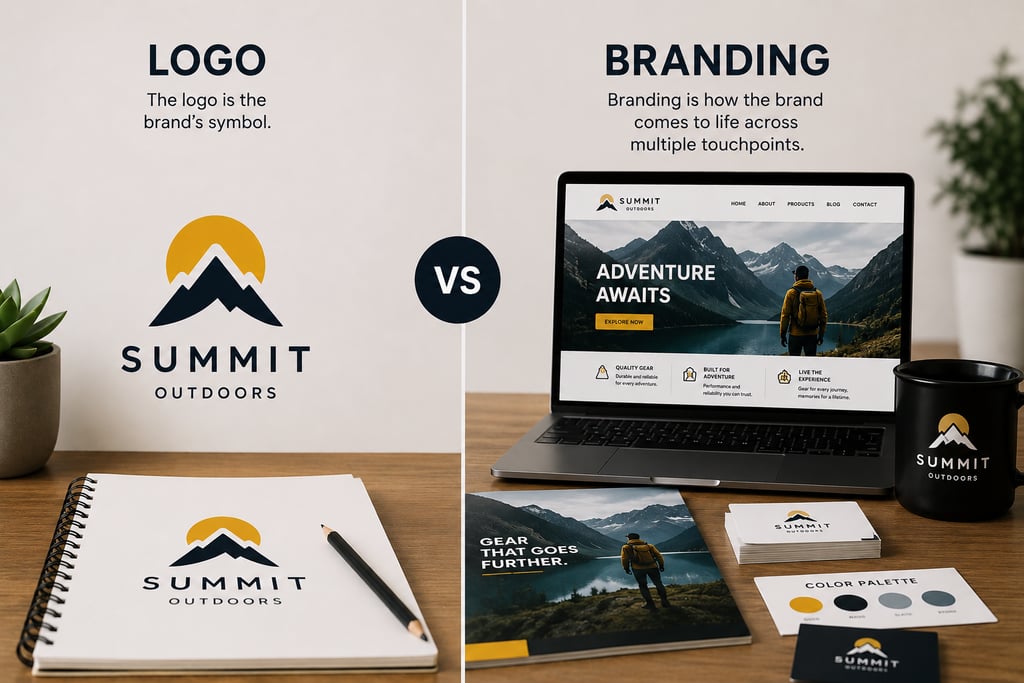
A logo is essentially a visual symbol that serves to identify a company, organization, or product. Logos can come in various forms, including symbols, typography, or a combination of both. A well-designed logo encapsulates the core values and essence of a business, creating a graphic representation that is easily recognizable and memorable. It is important for a logo to be simple yet distinctive, as it is often the first impression consumers will have of a company.
Understanding Brand Identity
On the other hand, a brand encompasses much more than just a logo. A brand represents the overall perception and emotional response that consumers have towards a company or its products. It is the sum of experiences, interactions, and feelings that arise when a consumer engages with any aspect of the business. Elements such as customer service, marketing, community engagement, and the visual appearance, including the logo, all contribute to the formation of a brand.
In essence, while a logo functions as a visual identifier, a brand embodies the deeper narrative behind that identifier. A logo might help in distinguishing a business amidst competitors, but a brand is what creates loyalty and long-term relationships with consumers.
Why the Distinction Matters
Understanding the differentiation between a logo and a brand is essential for businesses aiming to establish a lasting market presence. While companies typically invest in creating a compelling logo, it is critical to focus also on building a brand that resonates with their target audience. The logo may help in the short term, but a strong brand will facilitate ongoing engagement, trust, and loyalty.
In the current competitive market landscape, consumers are increasingly seeking brands that align with their values and aspirations. This makes it vital for businesses to invest time and resources not only into their logo design but also into crafting their overall brand strategy.
Conclusion
In conclusion, while a logo is a crucial aspect of visual branding, it is just one component of the broader concept of a brand. A logo serves as an identifying mark, whereas a brand encircles the complete emotional experience that consumers connect with a business. As companies navigate their marketing strategies, they should keep in mind the importance of both elements and strive to create a harmonious relationship between their logo and overall brand identity.
Phone: 702-493-2850
Las Vegas, NV 89117
Go2JoJo, LLC - Graphic Design Services - Where Imagination Meets Design


Copyright ©2026 www.Go2JoJo.com All rights reserved.